Starting out
It started at "Garabet Ibrăileanu" National College in Iași. In 9th grade I became Vice President of the school branch of CNE (Consiliul Național al Elevilor), Romania's official student representation body. The role was simple on paper: be the bridge between students and administration. But it taught me something that stuck. If you want change, you have to show up and do the work.
Reviving a dead structure
In 10th grade I was elected President of the CNE branch in Iași County. When I arrived, the county structure was essentially dead. Years of old power dynamics and lack of motivation had left it at the lowest activity rating in CNE's internal assessments: black. Only a handful of counties ever reach the top rating of green.
I set out to change that. I started by building partnerships. One of the first things I did was sign a collaboration agreement with the local university students' association in finance and economics to get us institutional support and credibility.
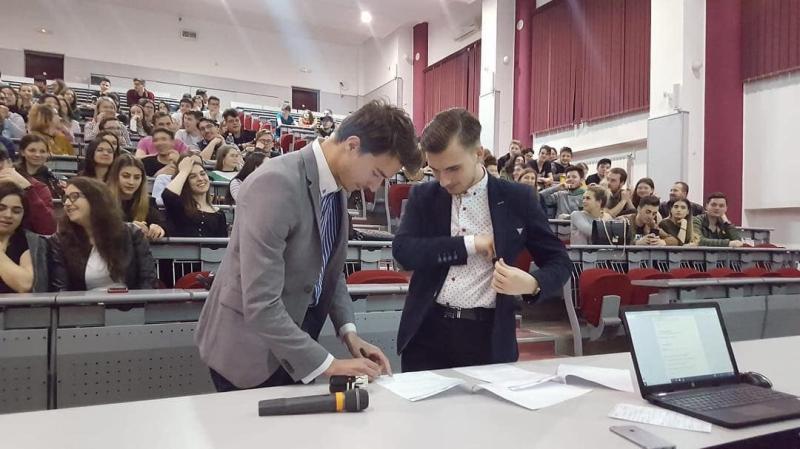
Then came the trainings. I ran dozens of sessions across schools in the county, presenting on legislative changes and teaching students how to defend their rights. Over the course of my mandate I reached more than 1,000 students directly.
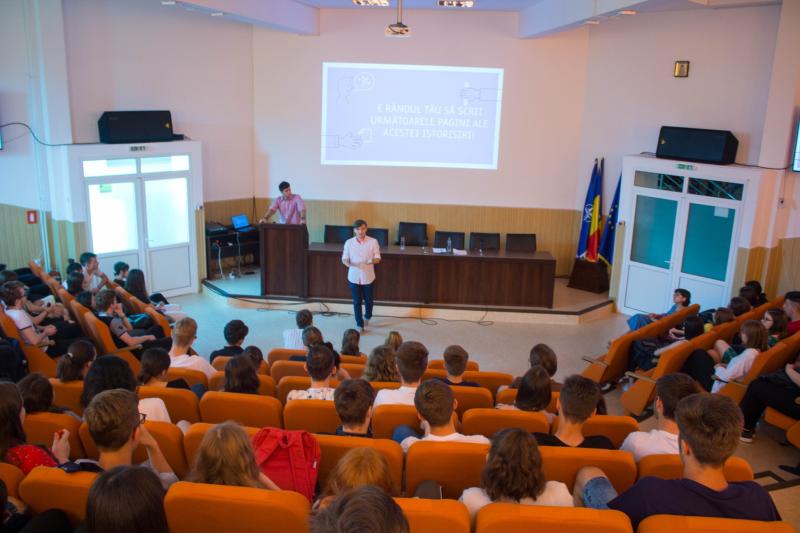
The biggest milestone: I organized the first ever CNE National General Assembly held in Iași. Over 200 participants from across Romania, three days of sessions, workshops, and elections. No one had brought the national assembly to our county before. It took months of planning, sponsorship negotiations, and logistics. And at that same assembly, I was elected to the national board as General Vice President.
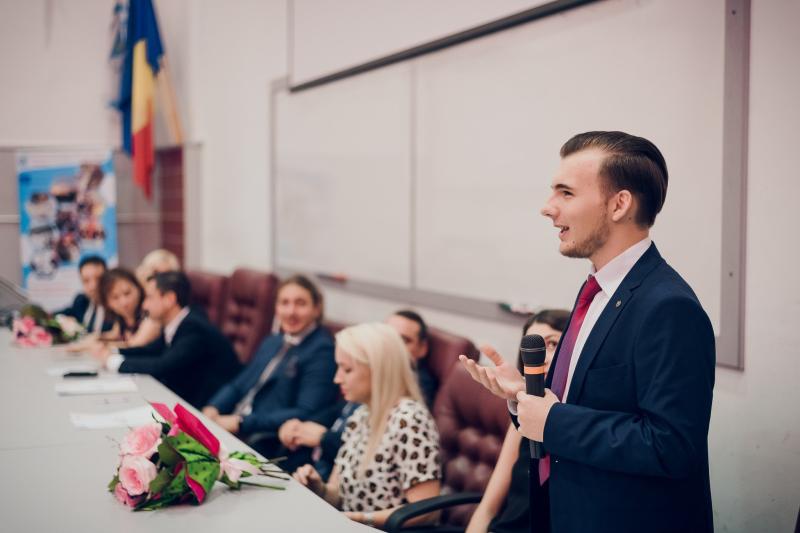
By the time my mandate ended, the Iași branch had gone from black to green in CNE's internal assessments, joining a select group of only 3 or 4 counties at that level.
Going national
The summer between 10th and 11th grade I was elected General Vice President of CNE and simultaneously served as President of the National Committee for Technical and Professional Education. The onboarding was a joint bootcamp with the national university students' association (ANOSR) in Timișoara, where school and university student leaders trained together.
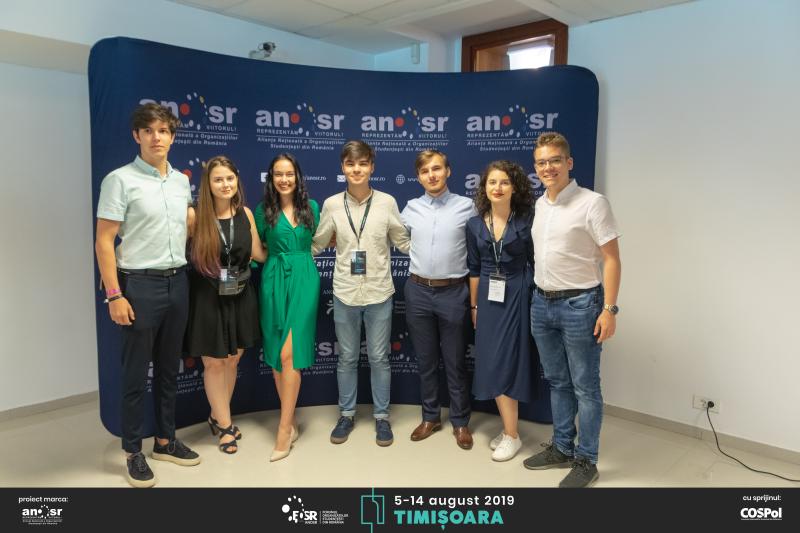
CNE holds a permanent seat in the Consultative Council of the Romanian Ministry of Education, so the role carried real weight. I was regularly commuting to Bucharest for meetings at the Ministry of Education and the Ministry of Public Finances.
My work focused on three areas: legislative drafting (writing proposals for education reform), national events (conventions with hundreds of participants), and field evaluations (traveling across Romania to audit and strengthen regional CNE structures).
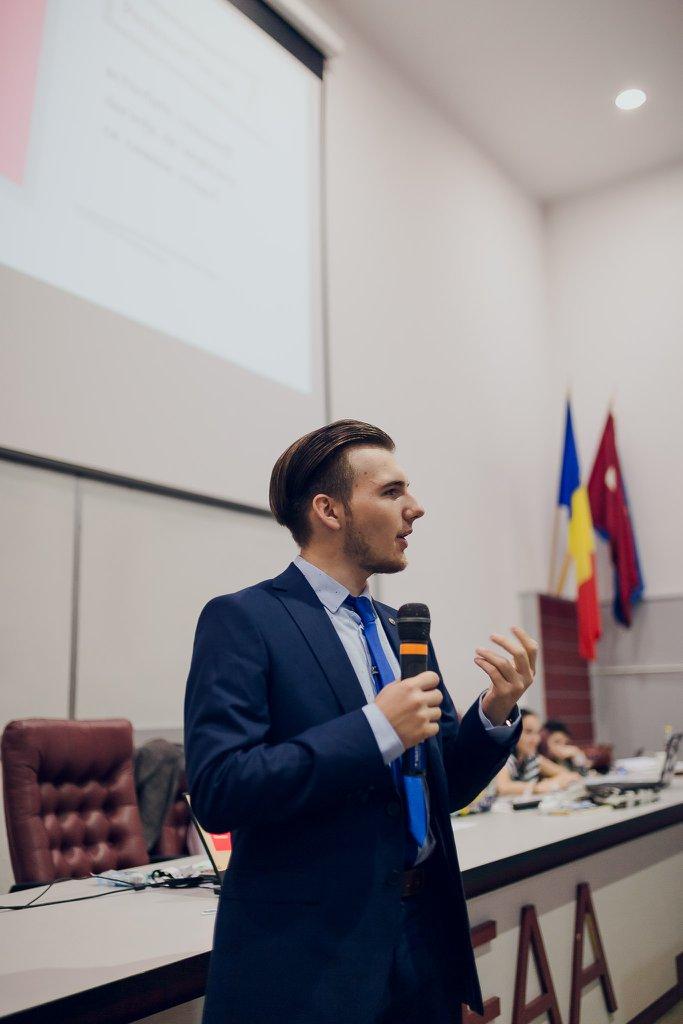
The policy table
Towards the end of my tenure, the work became increasingly institutional. I was debating policy alongside government ministers in the Romanian Senate's Education Committee, discussing transportation subsidies and education funding with representatives from the Ministry of Education.
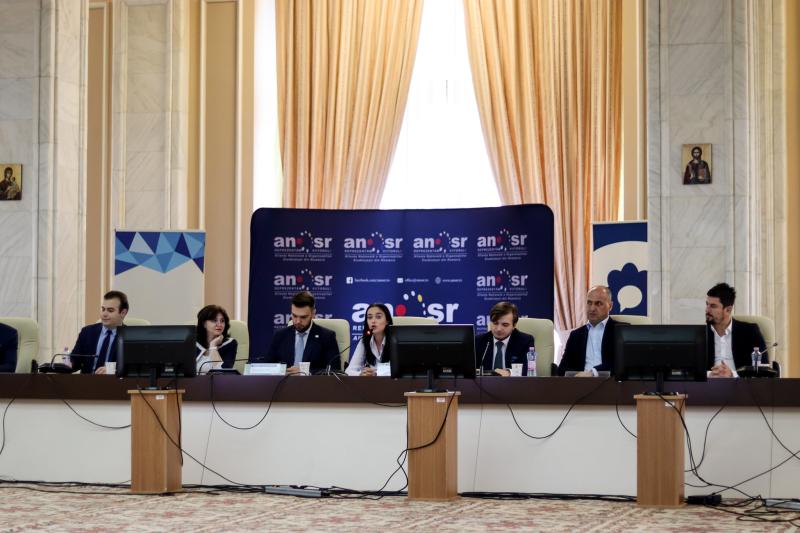
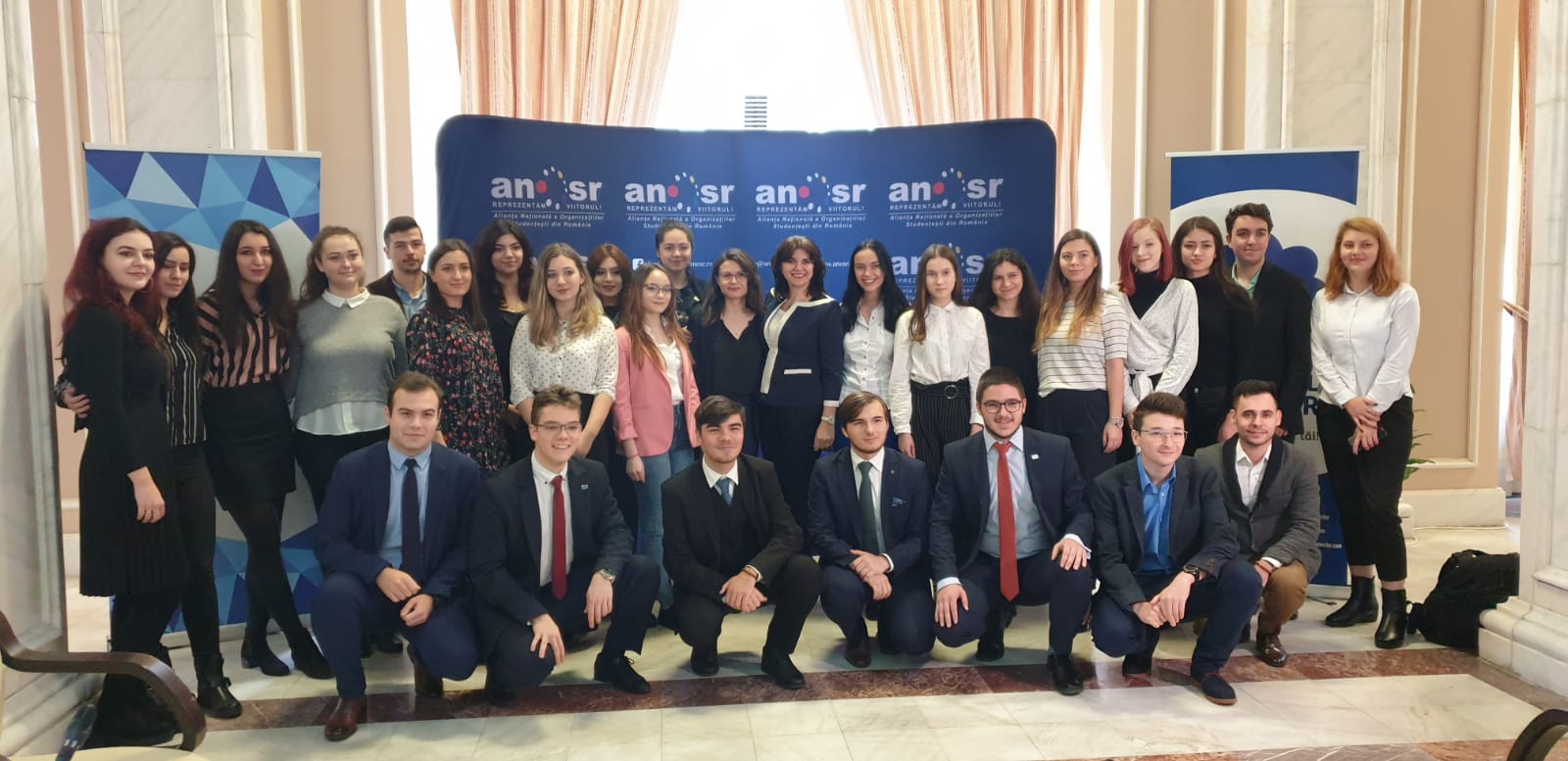
In parallel, I served as International Relations Officer at the Organising Bureau of European School Student Unions (OBESSU), representing Romanian students in the European forum. The role involved contributions to the European Commission's Digital Education Action Plan and writing EU grant applications on behalf of CNE.
What it taught me
Four years of student government gave me skills that no coursework ever could: how to run a room with 200 people, how to negotiate with someone who has more power than you, how to draft a document that actually gets read, and how to build a team around a cause when there's no budget and no authority beyond what you earn.
When I later founded Team Gaia and grew it to 30 people, the playbook was already there. The contexts were different, but the core challenge was the same: align people around a shared goal, give them ownership, and get out of their way.